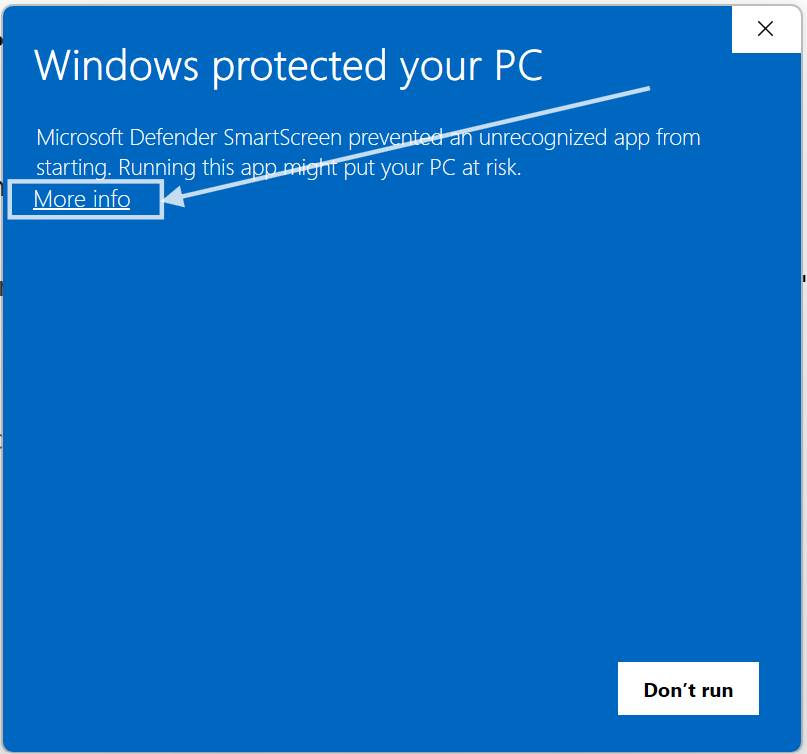
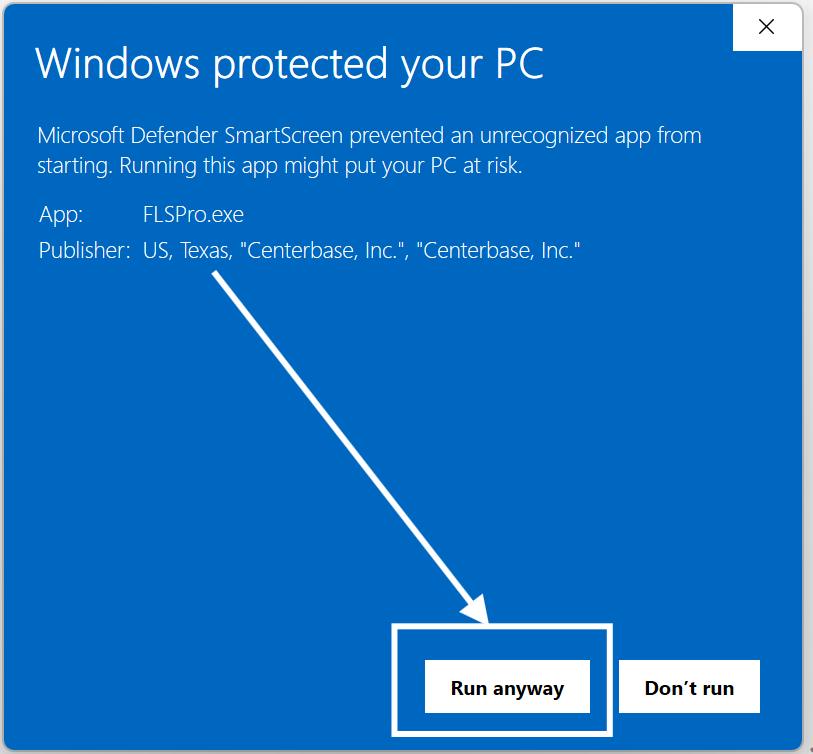
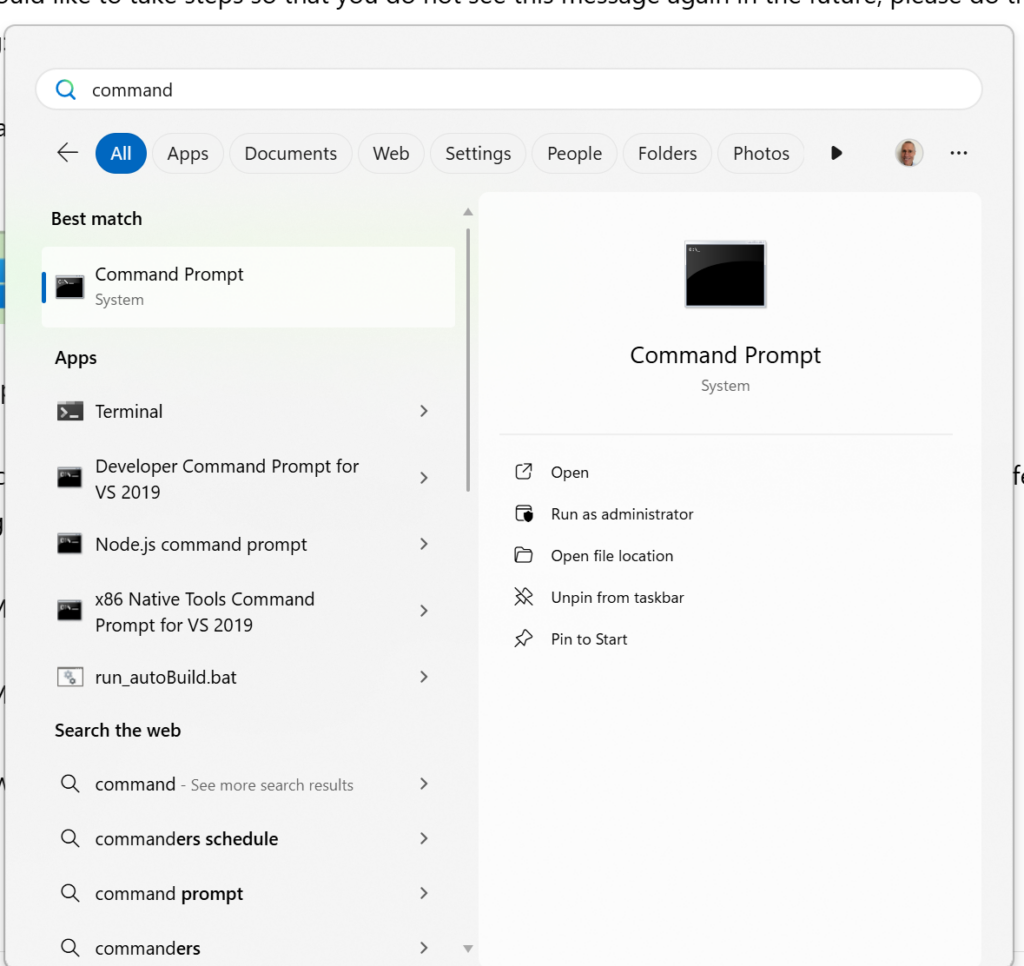
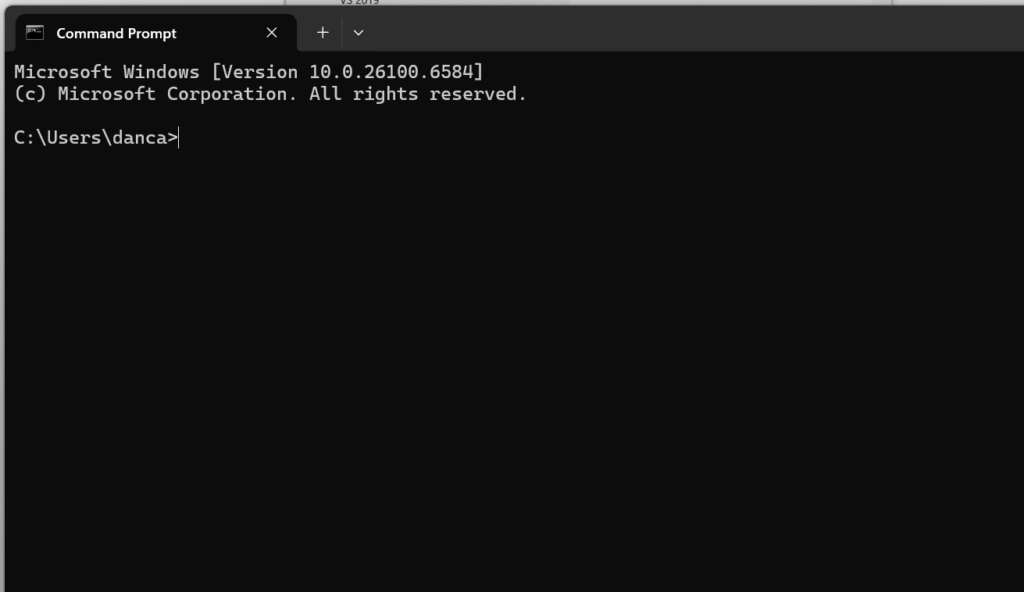
Don’t worry if you see an error message. These commands simply refresh the Windows security listings.
You should be all set and should not see the Windows Defender message again.
If you have problems with the download, please contact technical support.
Matrigma Test Answers Reddit Hot Now
On the morning of his test, Eli read the instructions twice, then four times—calm, methodical. In the test room, the clock still ticked louder than it should. He breathed, scanned, and began. Questions dissolved one by one: recognize the rule, test it, choose the option that fit. When doubt came, he eliminated the impossible and trusted the pattern.
He scrolled until his eyes stung. A pinned post, written in calm, patient tone, outlined how the Matrigma test worked: logic matrices designed to measure abstract reasoning, not learned facts. The poster explained strategies—spot the transformation across the row, test hypotheses against the final cell, eliminate impossible options. The language was methodical, generous: “Teach yourself to recognize operations—rotation, symmetry, adding or removing elements.”
A week later he opened an email with the subject line: Assessment Results. His stomach tensed. He read: “Strong abstract reasoning—recommended for next stage.” He smiled but didn’t leap. The result was a marker, not a promise. matrigma test answers reddit hot
The thread changed shape overnight. The sensational title still drew clicks, but the conversation drifted. Where answers had promised easy passage, the community began to trade strategies for learning: how to estimate time per question, how to manage anxiety, and how to disassemble a matrix into bite-sized operations. A moderator posted a short note: “We’re removing solution dumps. Value comes from learning.”
Near the bottom, a comment had gone viral. A student shared a tape-recorded confession: “I used the answers once. I got the job. After three months I realised I couldn’t fake the thinking in meetings. I left. It felt hollow.” A string of replies—thank yous, empathy—turned the post into something like a small public therapy session. On the morning of his test, Eli read
The thread was a mosaic of voices. Some posted screenshots of grid-like patterns, arrows and shapes rotating in stubborn steps. Others promised "answer keys"—cryptic comments that offered sequences like 3-1-4-2 with no explanation. One user, sola_veritas, warned politely: “Sharing answers defeats the point. Practice patterns instead.”
He clicked reply. His fingers hovered, then typed: “I’m starting fresh. Any recommended drills?” Replies came promptly: pattern worksheets, links to free abstract-reasoning practice, a friendly bot suggesting daily twenty-minute sessions. A user offered a simple exercise: pick a sheet, time yourself, then write what operation you used for each answer. Another suggested alternating speed practice with slow, careful reviews. Questions dissolved one by one: recognize the rule,
Eli thought of his own resume sitting on a flash drive: a neat line about “strong analytical skills.” He had interviews scheduled next week; in the silence of his kitchen, the idea of shortcutting—the temptation of that tidy list of answers—glittered like a trap. He imagined the test as a sealed room. If he cheated the door might open briefly, but the room beyond would still require the work.
 Download for Windows
 Download for Mac