Ontweak Com Verified Review
WAXP can quickly export all contacts from your groups to a CSV file.
Get WAXP for Chrome(10,000+ Downloads)
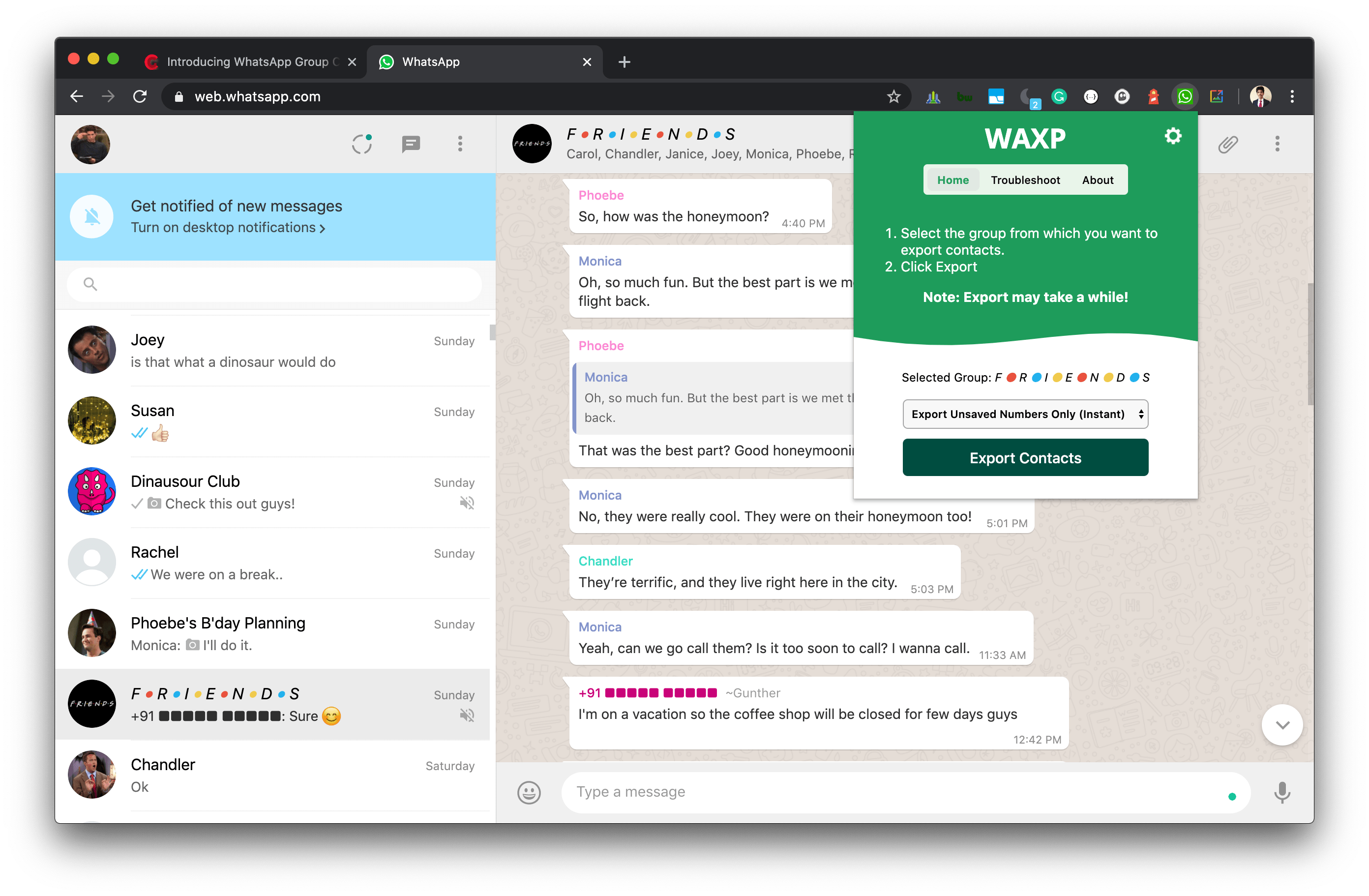
WAXP can quickly export all contacts from your groups to a CSV file.
Get WAXP for Chrome(10,000+ Downloads)
— Marlon Mesa
— Anderson Prado
— Don Lucero
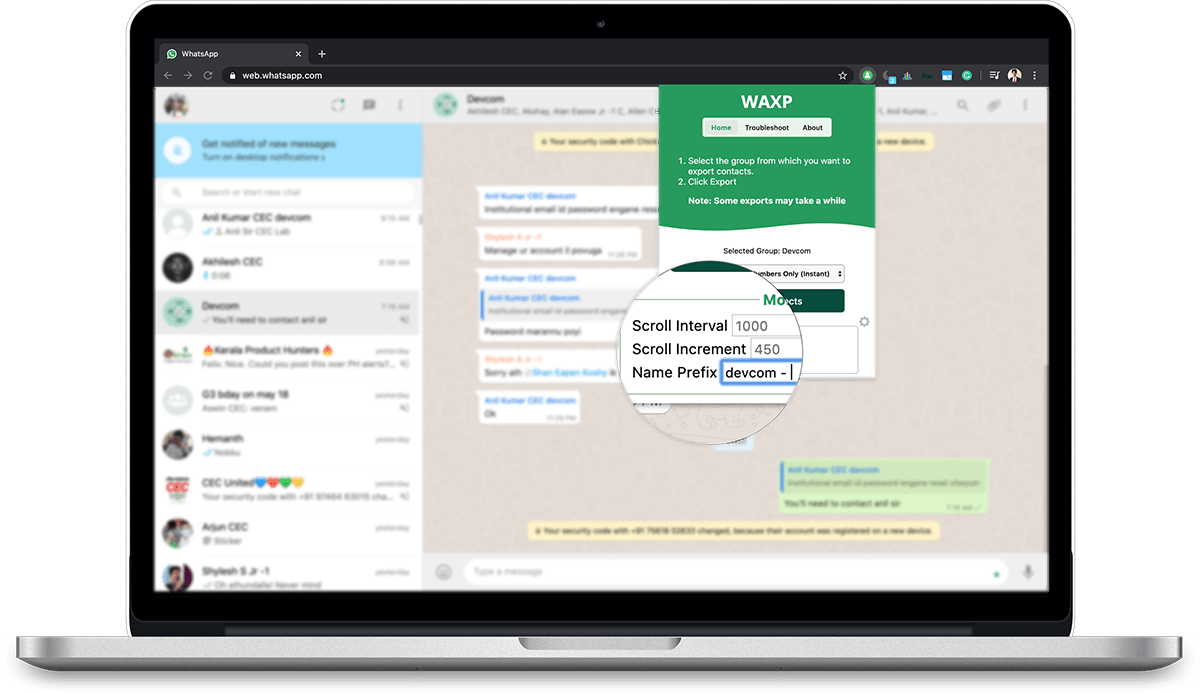
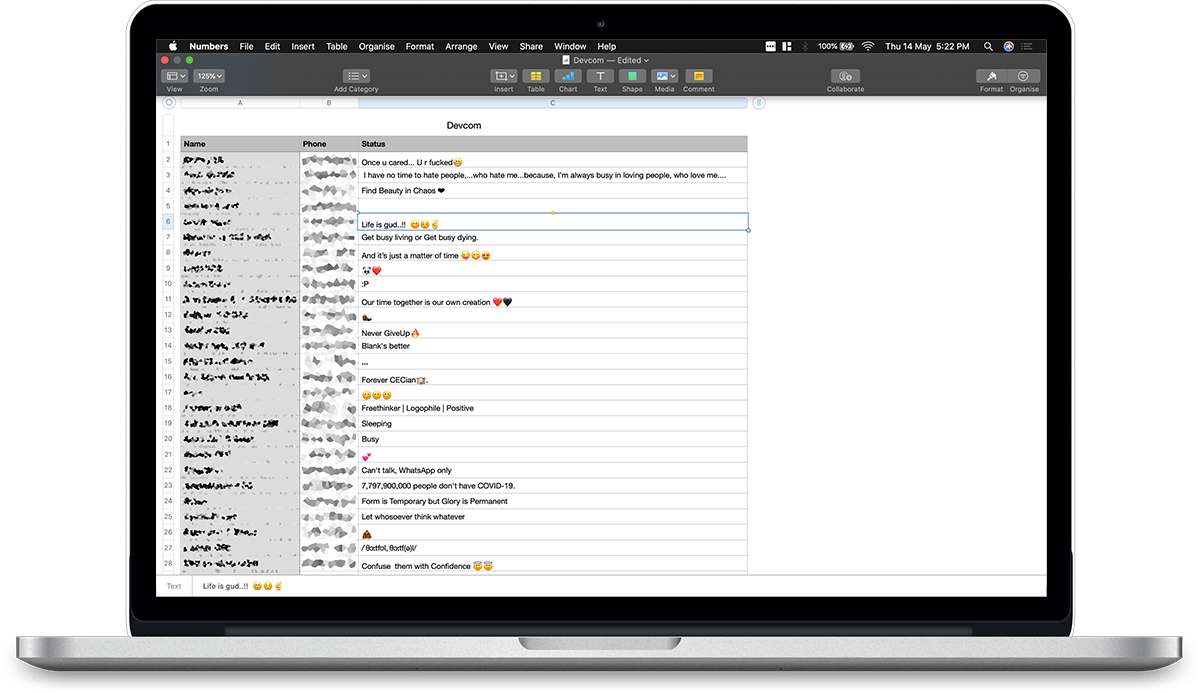
WhatsApp Contacts Exporter by Codegena can export contacts from Chatlist, Groups and Labels.
Get started with a free trial. No credit card required, cancel anytime.
Verification also shaped the culture. Contributors learned to write clearer descriptions and bundle their experiments with success criteria. Tutorials appeared showing how to structure a verification submission: a short problem statement, a minimal reproducible script, expected outcome, fallbacks, and a rollback plan. Over time, the repository of verified tweaks became a living knowledge base: solutions for improving sign-up flows, decreasing perceived latency, or testing new microcopy with feature flags.
“Verified” on Ontweak evolved into a compact but meaningful status: a combination of identity confirmation, code review, and provenance tracking. To earn the badge, a developer had to submit a reproducible recipe — the tweak, the context, and the metrics that mattered. The platform ran automated sanity checks for common failure modes (infinite loops, privacy leaks, unsafe DOM operations), and a small panel of volunteer maintainers reviewed subtle architectural concerns. Crucially, Ontweak recorded an auditable history: every change, who approved it, and which environments had seen it. That history made the verified mark more than a marketing flourish; it was a safety signal. ontweak com verified
At first, verification on Ontweak was informal. Users trusted each other: a reply, a screenshot, a short thread showing results. That trust worked while the community was small, but as the platform scaled, so did the stakes. Misconfigured toggles began to leak experiments into production, and the same lightweight scripts that made onboarding fast could also be abused to spoof results. A clear, reliable signal of authenticity became essential. Verification also shaped the culture
Ontweak.com Verified had started as a tiny idea in a crowded Discord server where indie developers traded tips for squeezing more value out of lean SaaS projects. Ontweak itself was a modest platform — a toolkit for automating small UX tweaks, feature flags, and experiment rollouts for bootstrapped teams. It wasn’t flashy; it was practical, the kind of utility that quietly fixed friction points and let product teams move faster. Over time, the repository of verified tweaks became
For product managers, “Ontweak com Verified” became shorthand: a tweak you could deploy with confidence because its effects were documented, its code was minimal and auditable, and it had passed community scrutiny. That trust reduced friction in release meetings. Legal and privacy teams liked that the verification process forced authors to declare data usage up front. Engineering leads appreciated fewer hotfixes. Smaller companies benefited most — they got expert-vetted optimizations without hiring consultancies.
Not everything was perfect. The verification process introduced a modest delay — a deliberate trade-off for safety — and some community members complained about gatekeeping. Ontweak addressed that by introducing tiered options: a fast-track lint-only badge for low-risk changes, and the full verified badge for anything touching user data or critical flows. Transparency reports showed the kinds of issues caught during reviews, which increased community buy-in.
By the time small teams across industries referenced “Ontweak com Verified” in their release notes, the badge had become a practical standard. It signaled more than validated code: it meant reproducible thinking, documented intent, and a compact chain of custody for changes. In an ecosystem where tweaks and experiments could easily break trust, the verification process reintroduced a simple but powerful idea — that small, well-documented changes can be scaled responsibly when the community builds and guards the norms together.