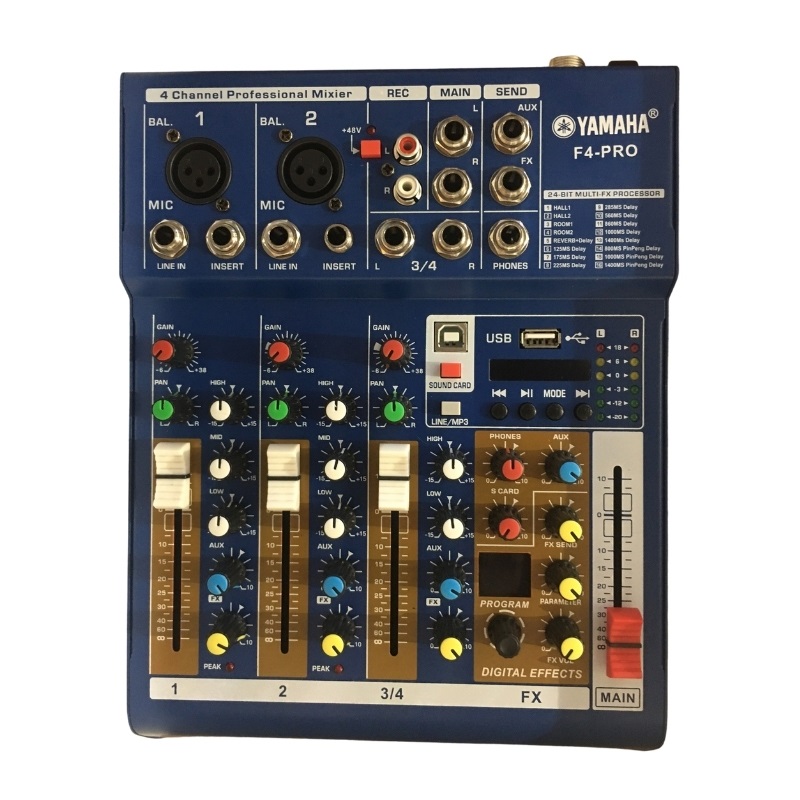
Bàn Mixer F4 Pro
950000
In the not-so-distant future, the world had become a place where convenience and sustainability coexisted in an uneasy balance. Cities sprawled with towering skyscrapers and neon-lit streets, but beneath the surface, a different kind of revolution was brewing. It was an era where technology had advanced enough to make nearly everything reusable, but human habits remained stubbornly tied to the old ways.
Determined to prove them wrong, Eli embarked on an ambitious project. Using the latest in AI and nanotechnology, Eli designed a prototype of a community-scale Refill Unpacker. It was a large, spherical machine that could process tons of material at once, producing a wide variety of goods. The plan was to deploy it in a city struggling with waste management, showing the world that sustainability could be both practical and profitable.
In a small, cluttered shop nestled between a vintage clothing store and a holographic advertisement agency, a peculiar business operated. The sign above the door read "Refill Unpacker," and it was here that people could bring their used packaging, from plastic bottles to cardboard boxes, and have them not only recycled but transformed.
Eli's shop became a symbol of what could be achieved when innovation was directed towards the greater good. And Eli, once a lone entrepreneur with a dream, became a leader in a global movement towards a more sustainable, more circular economy. The Refill Unpacker wasn't just a machine; it was a beacon of hope for a world where waste was a thing of the past.
In the not-so-distant future, the world had become a place where convenience and sustainability coexisted in an uneasy balance. Cities sprawled with towering skyscrapers and neon-lit streets, but beneath the surface, a different kind of revolution was brewing. It was an era where technology had advanced enough to make nearly everything reusable, but human habits remained stubbornly tied to the old ways.
Determined to prove them wrong, Eli embarked on an ambitious project. Using the latest in AI and nanotechnology, Eli designed a prototype of a community-scale Refill Unpacker. It was a large, spherical machine that could process tons of material at once, producing a wide variety of goods. The plan was to deploy it in a city struggling with waste management, showing the world that sustainability could be both practical and profitable.
In a small, cluttered shop nestled between a vintage clothing store and a holographic advertisement agency, a peculiar business operated. The sign above the door read "Refill Unpacker," and it was here that people could bring their used packaging, from plastic bottles to cardboard boxes, and have them not only recycled but transformed.
Eli's shop became a symbol of what could be achieved when innovation was directed towards the greater good. And Eli, once a lone entrepreneur with a dream, became a leader in a global movement towards a more sustainable, more circular economy. The Refill Unpacker wasn't just a machine; it was a beacon of hope for a world where waste was a thing of the past.
HỆ THỐNG CỬA HÀNG
Cơ sở 2
Giờ làm việc: Vui lòng gọi điện trước khi đến.
Xem bản đồCơ sở 3
Giờ làm việc: Vui lòng gọi điện trước khi đến.
Xem bản đồCơ sở 4
Giờ làm việc: Vui lòng gọi điện trước khi đến.
Xem bản đồThông tin
Chính sách chung
Hỗ trợ khách hàng
Phương thức thanh toán
Kết nối với chúng tôi