
tamil mms hot video
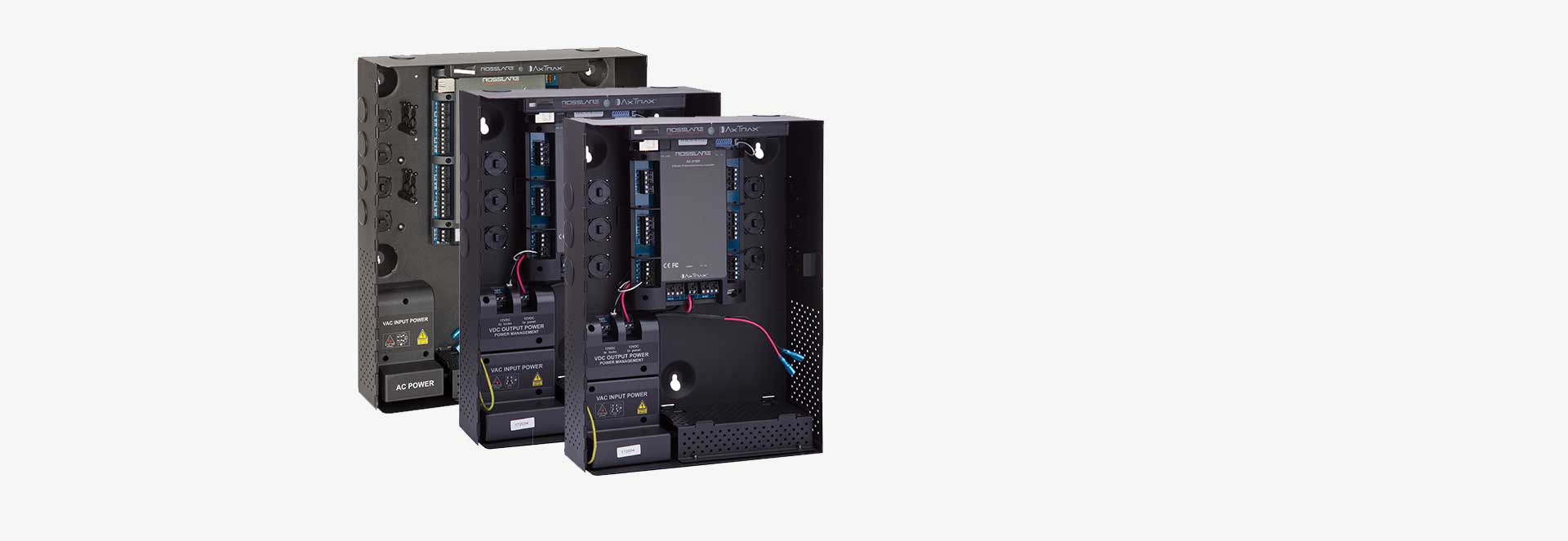
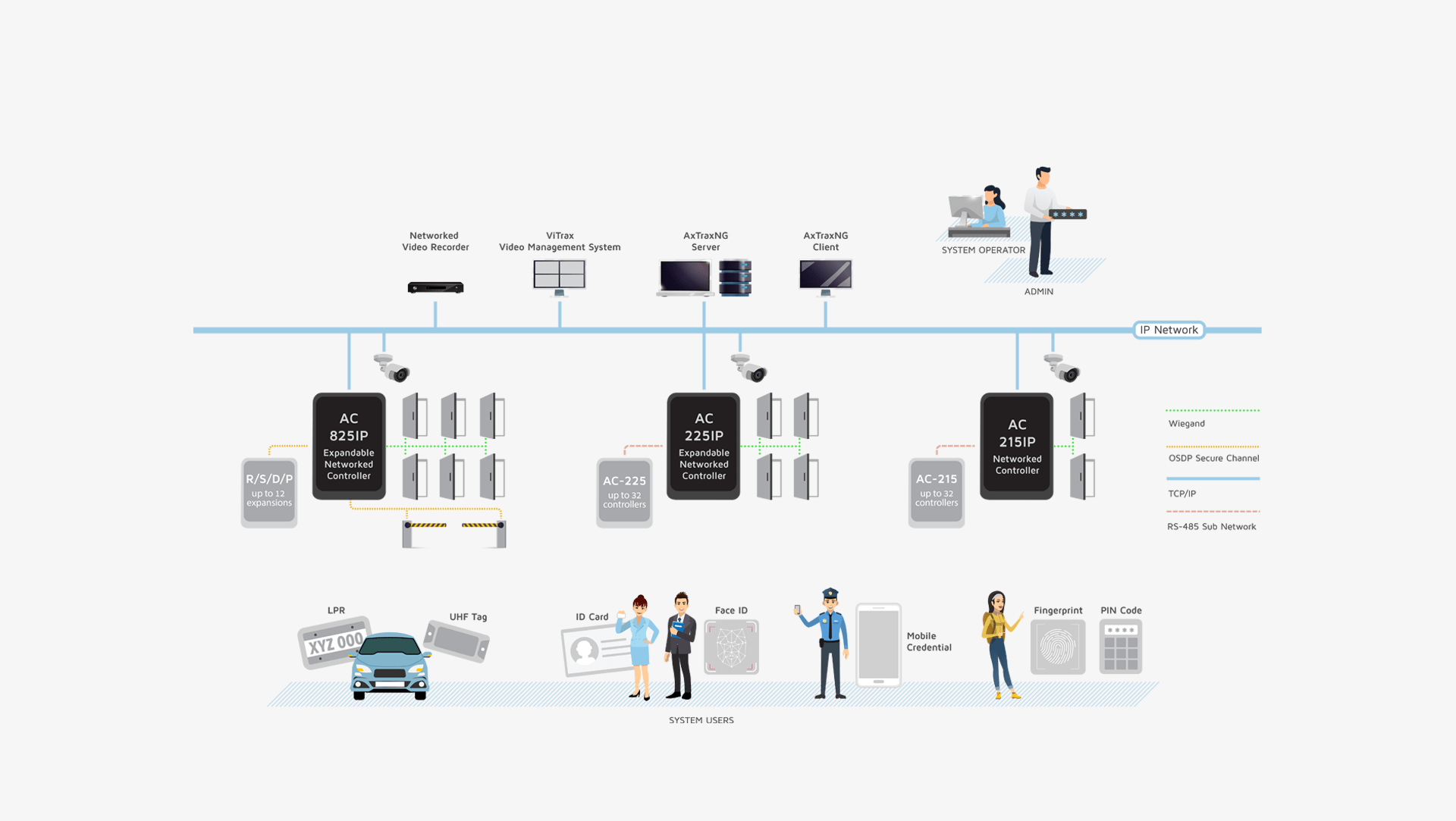
AxTraxNG is a complete server-client software management that enables setting physical access control policy across organizations that is available in multiple languages and date formats. The server manages thousands of networked access control panels and system users. The user-friendly interface is intuitive, reliable and rich in
functionality. With Rosslare’s SDK tool AxTraxNG also leverages easy integration and deployment of various
applications in security, safety, time and attendance and more. AxTraxNG allows the control and monitoring of
every aspect of site access.
Product Datasheets Development Tool












Tamil cinema, also known as Kollywood, has a rich history dating back to the 1930s. The first Tamil talkie, "Keechaka Vadham," was released in 1918, but it was "Pavitra Hridayam" (1936) that marked the beginning of the Tamil film industry. In the early years, Tamil films were primarily mythological and devotional in nature, but with the advent of sound and technology, the industry began to experiment with different genres.
The 1950s and 1960s are often referred to as the "Golden Age" of Tamil cinema, with films like "Rangoon Radha" (1956), "Mudhalali" (1957), and "Parthala Parthamaan" (1959) becoming huge hits. The 1970s and 1980s saw the rise of masala films, which combined action, comedy, romance, and drama. This period also saw the emergence of stars like Rajinikanth, Kamal Haasan, and Vijay, who would go on to dominate the industry for decades. tamil mms hot video
Tamil Nadu, a state in southern India, is known for its rich cultural heritage and vibrant entertainment industry. The term "Tamil video lifestyle and entertainment" refers to the various forms of media and entertainment that are popular among the Tamil-speaking population. This includes films, television shows, music, and other forms of digital content that cater to the interests and preferences of Tamil audiences. In this paper, we will provide a comprehensive analysis of the Tamil video lifestyle and entertainment industry, including its history, evolution, and current trends. Tamil cinema, also known as Kollywood, has a
The Tamil video lifestyle and entertainment industry is a vibrant and dynamic sector that has undergone significant changes over the years. From the early days of Tamil cinema to the current era of digital entertainment, the industry has evolved to reflect changing audience preferences and technological advancements. As the industry continues to grow and evolve, it is likely that we will see even more innovative and engaging content emerge, reflecting the rich cultural heritage and diverse interests of Tamil audiences. The 1950s and 1960s are often referred to